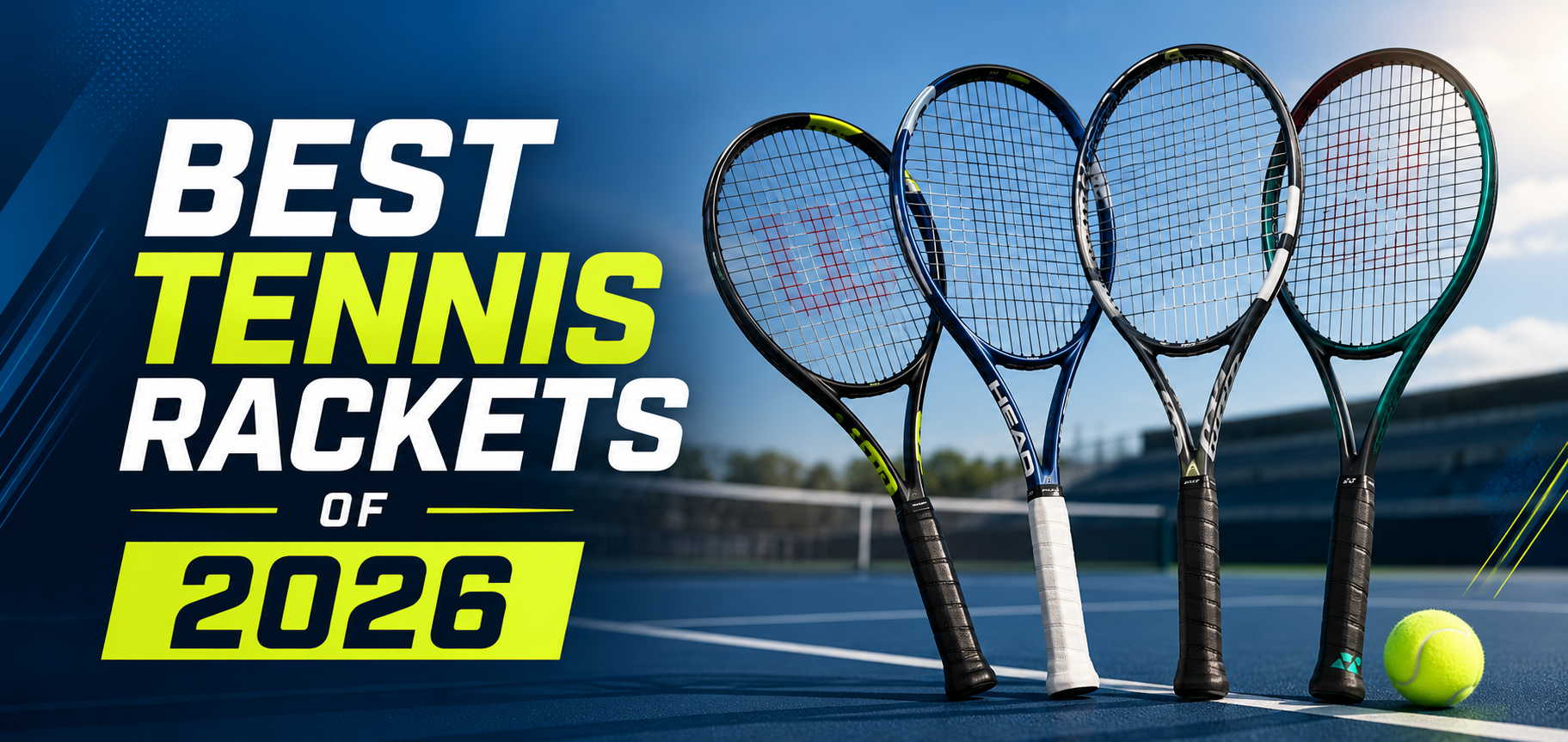
I’ve gone through more demo rackets this year than I’d like to admit to my local pro shop guy. This is my real, hands-on roundup of the best tennis rackets 2026 has to offer — between league matches, a few tournaments, and way too many Saturday mornings hitting with anyone who’ll rally with me, I’ve had real court time on most of the rackets that matter this year, not just a few warm-up swings in a store aisle.
So here’s my honest breakdown: what I’d actually recommend depending on how you play, not just a list of whatever’s newest. Think of this as a tennis racket buying guide built from actual court time, not a spec-sheet comparison — whether you’re after the best racket for beginners in 2026 or chasing more spin as an intermediate, there’s a section below for you. A couple of these picks might surprise you — sometimes the racket everyone’s hyping isn’t actually the best fit, and sometimes an “old” frame still beats its own replacement.
Best Tennis Rackets 2026: Quick Picks
| Category | Racket | Best For |
|---|---|---|
| Best Overall | Babolat Pure Aero 98 (2026) | All-around spin and control for aggressive baseliners |
| Best for Power & Spin | Babolat Pure Aero 100 | Players who want easy topspin without overswinging |
| Best for Control | Yonex VCORE 98 (2026) | Precision players who like a firm, connected feel |
| Best for Arm Comfort | Wilson Clash 100 | Anyone managing tennis elbow or just wants a plush feel |
| Best for Beginners | Wilson Clash 100 v3 | New adult players who want forgiveness without feeling flimsy |
| Best for Advanced Players | Wilson Blade 98 16×19 | Players who want a connected, flexible “player’s frame” feel |
| Best for Kids | See our Best Tennis Rackets for Kids guide | Lightweight frames sized to grow with young players |
How I Test These
I’m not a racket scientist, and I don’t have a swing-speed machine in my garage. What I do have is a few years of USTA league play, a sympathetic stringer who’ll set up a frame however I ask, and enough Saturdays on court to actually feel the difference between two rackets that look identical on a spec sheet. When I review something, I string it the way I’d string my own racket, hit with it for at least three full sessions, and pay attention to the stuff that doesn’t show up in a spec sheet — how it feels on a mishit, whether my arm is sore the next day, whether I trust it on a big point.
Best Overall: Babolat Pure Aero 98 (2026)
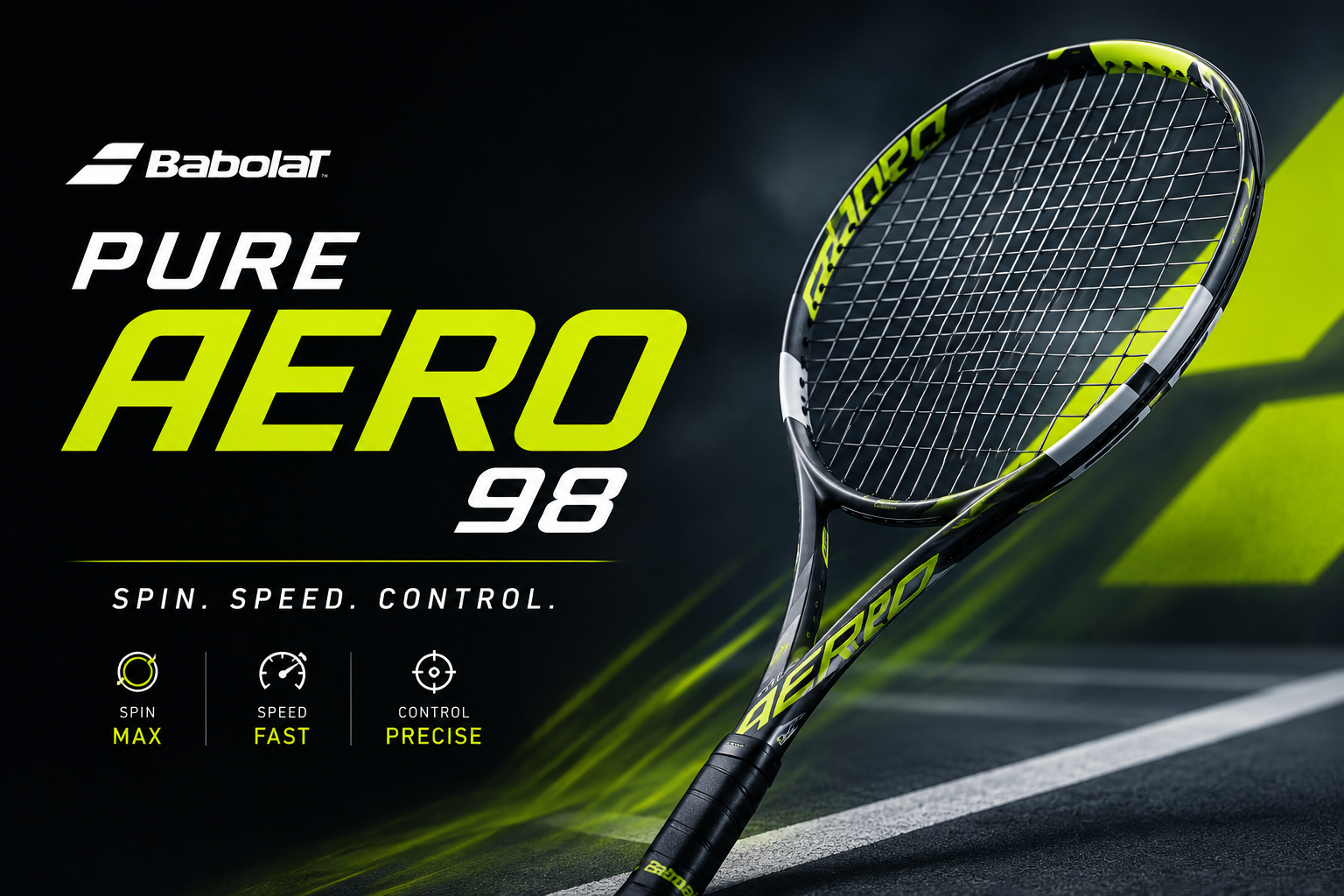
The Pure Aero has been my go-to for a few seasons now, and the 2026 update didn’t mess with a good thing — if anything, it made it better. Babolat dialed in more comfort and stability this generation without losing the explosive, spin-happy character the Aero’s always been known for. It’s noticeably faster through the air than I remember the older version feeling, and more forgiving when I’m late on a ball, which happens more often than I’d like to admit against faster hitters.
The Pure Aero has been my go-to for a few seasons now, and the 2026 update didn’t mess with a good thing — if anything, it made it better. Babolat dialed in more comfort and stability this generation without losing the explosive, spin-happy character the Aero’s always been known for. It’s noticeably faster through the air than I remember the older version feeling, and more forgiving when I’m late on a ball, which happens more often than I’d like to admit against faster hitters.
The Pure Aero has been my go-to for a few seasons now, and the 2026 update didn’t mess with a good thing — if anything, it made it better. Babolat dialed in more comfort and stability this generation without losing the explosive, spin-happy character the Aero’s always been known for. It’s noticeably faster through the air than I remember the older version feeling, and more forgiving when I’m late on a ball, which happens more often than I’d like to admit against faster hitters.
If your game is built around aggressive topspin from the baseline — the kind of player who’d rather grind out a rally with heavy spin than serve-and-volley — this is still the frame to beat in 2026. It’s not the most arm-friendly option on this list (more on that below), but for healthy arms looking for a lively, attacking racket, it’s hard to top. You can see the full current lineup on Babolat’s official site if you want to compare head sizes and colorways before buying.
Read the full review: Babolat Pure Aero Review
Best for Power & Spin: Babolat Pure Aero 100
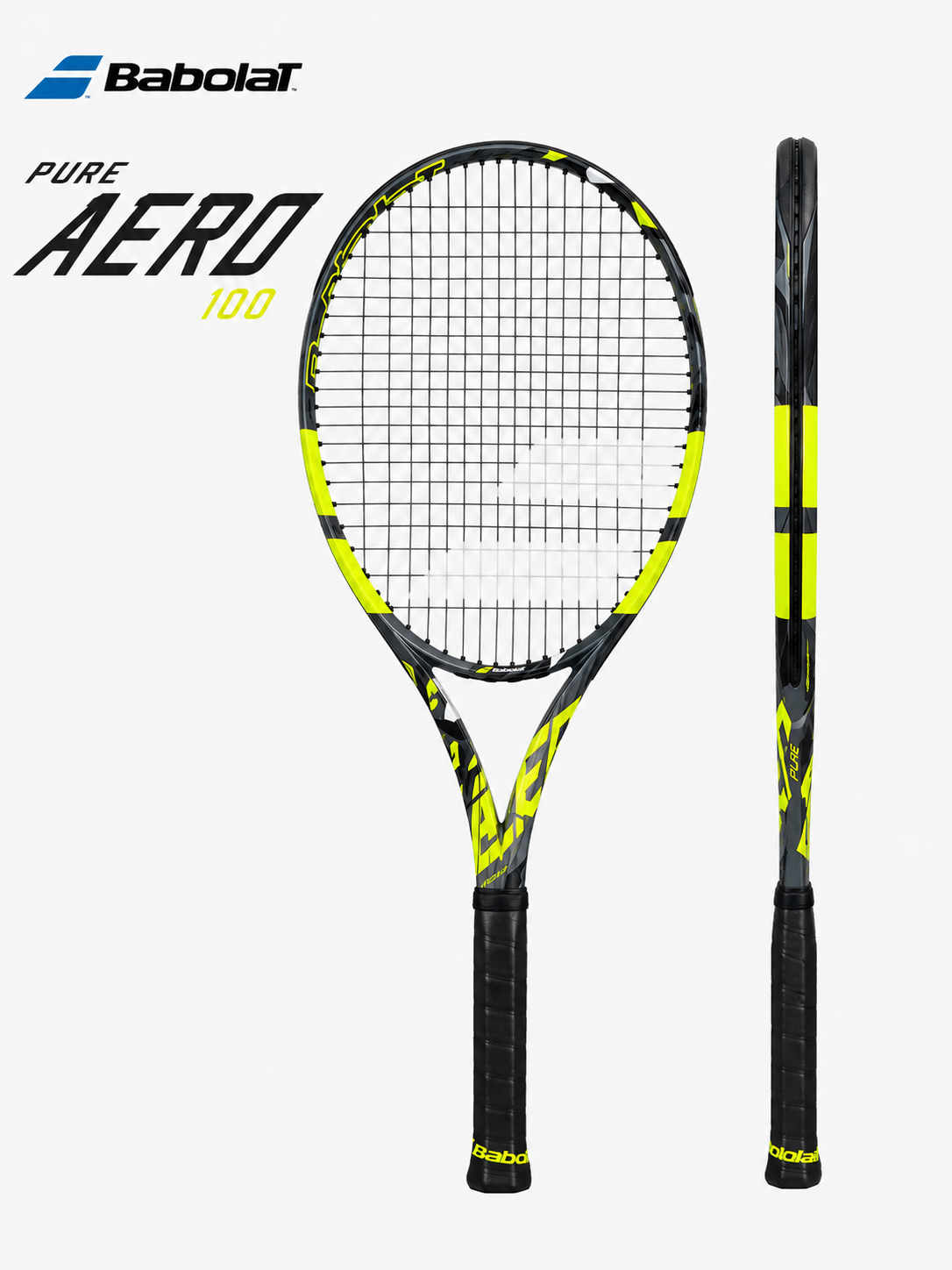
If the 98 sounds right but you want a bigger margin for error, the Pure Aero 100 is the move. Same DNA, bigger sweet spot, easier access to spin without needing a fast, technically clean swing to unlock it. I switched a doubles partner of mine onto this one mid-season and her topspin lobs have gotten genuinely annoying to play against. Babolat also released the Pure Aero 200 this year as a new all-round power-and-spin option — I haven’t had enough court time on it yet to fully vouch for it, but early impressions from players I trust have been positive, especially from the baseline.
Best for Control: Yonex VCORE 98 (2026)
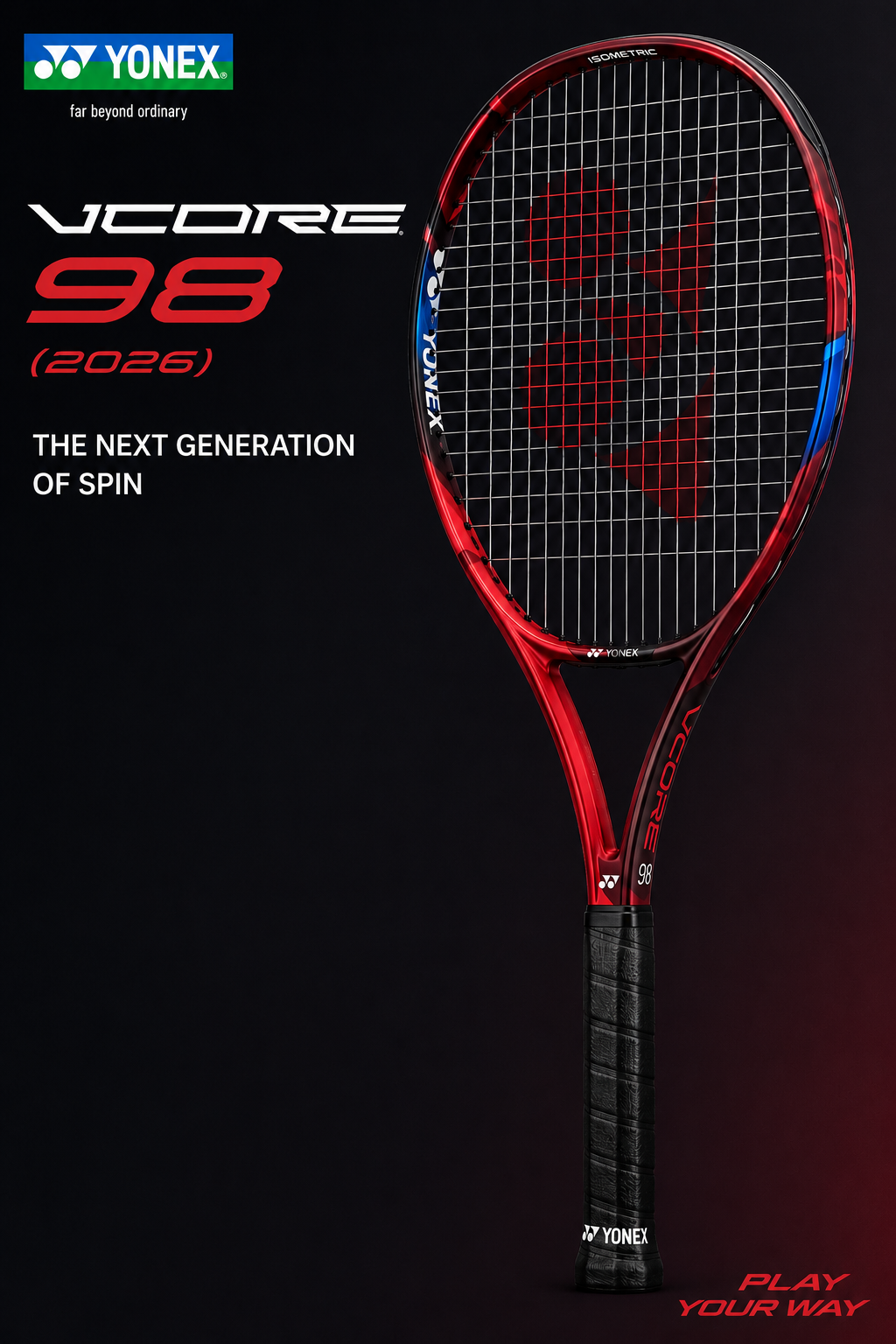
This one’s interesting. The 2026 VCORE update took a step back from the looser, livelier feel of the 2023 version and went firmer and more solid instead — and honestly, I think that’s the right call for anyone who genuinely wants control over raw pop. It moves a touch slower through the air than the previous generation, but it makes up for that with serious stability and plow-through on heavier balls.
Compared head-to-head with the Pure Aero, the gap between these two has actually narrowed this year — they used to feel like polar opposites (Yonex plush and springy, Babolat firm and explosive), but the 2026 updates moved them closer together. If you’re choosing between the two, the VCORE still wins on precision and directional control; the Pure Aero still wins on outright spin and easy power.
Read the full review: Yonex Vcore Review
Best for Arm Comfort: Wilson Clash 100
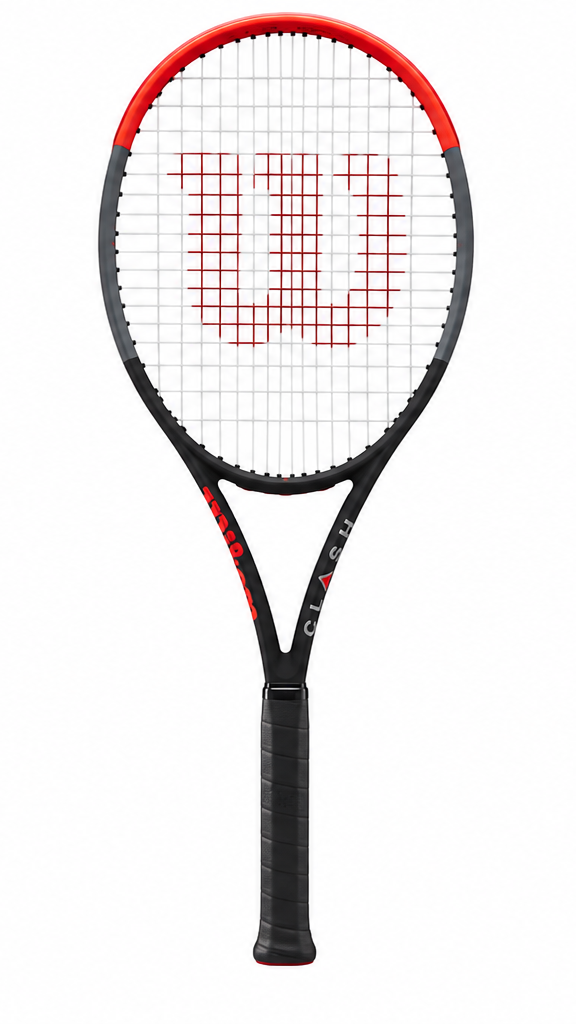
If you’ve ever dealt with tennis elbow, you already know how much it changes your relationship with your racket. The Wilson Clash is built around an unusually low stiffness rating, using a carbon layup that lets the frame flex more than a traditional racket without losing the snap-back you need on contact. The result is a racket that genuinely absorbs shock instead of sending it straight up your arm — I’ve recommended this to two separate friends recovering from elbow issues, and both stuck with it long after the recovery was done because they just liked how it felt.
The Yonex EZONE line deserves an honorable mention here too — it’s a more powerful, slightly stiffer option than the Clash, but still notably more comfortable than something like the Pure Aero or VCORE, with a big, forgiving sweet spot.
Best for Beginners: Wilson Clash 100 v3
I get asked constantly by people just picking up the game: “what should I actually buy?” My answer hasn’t changed much this year. The Clash 100 v3 is forgiving on mishits, comfortable enough that you won’t develop bad habits compensating for arm pain, and it still generates real power so you’re not fighting the racket just to get the ball over the net. It’s also a frame you can genuinely grow into — I know a few intermediate players still happily using it, which isn’t something I’d say about most “beginner” rackets.
A couple of practical tips if you’re new: look for something in the 9–10.6 oz range, and if you’re buying pre-strung, most beginner frames come strung around 50–55 lbs, which is the right tension range for a developing swing — you don’t want it tighter than that starting out.
Best for Advanced Players: Wilson Blade 98 16×19
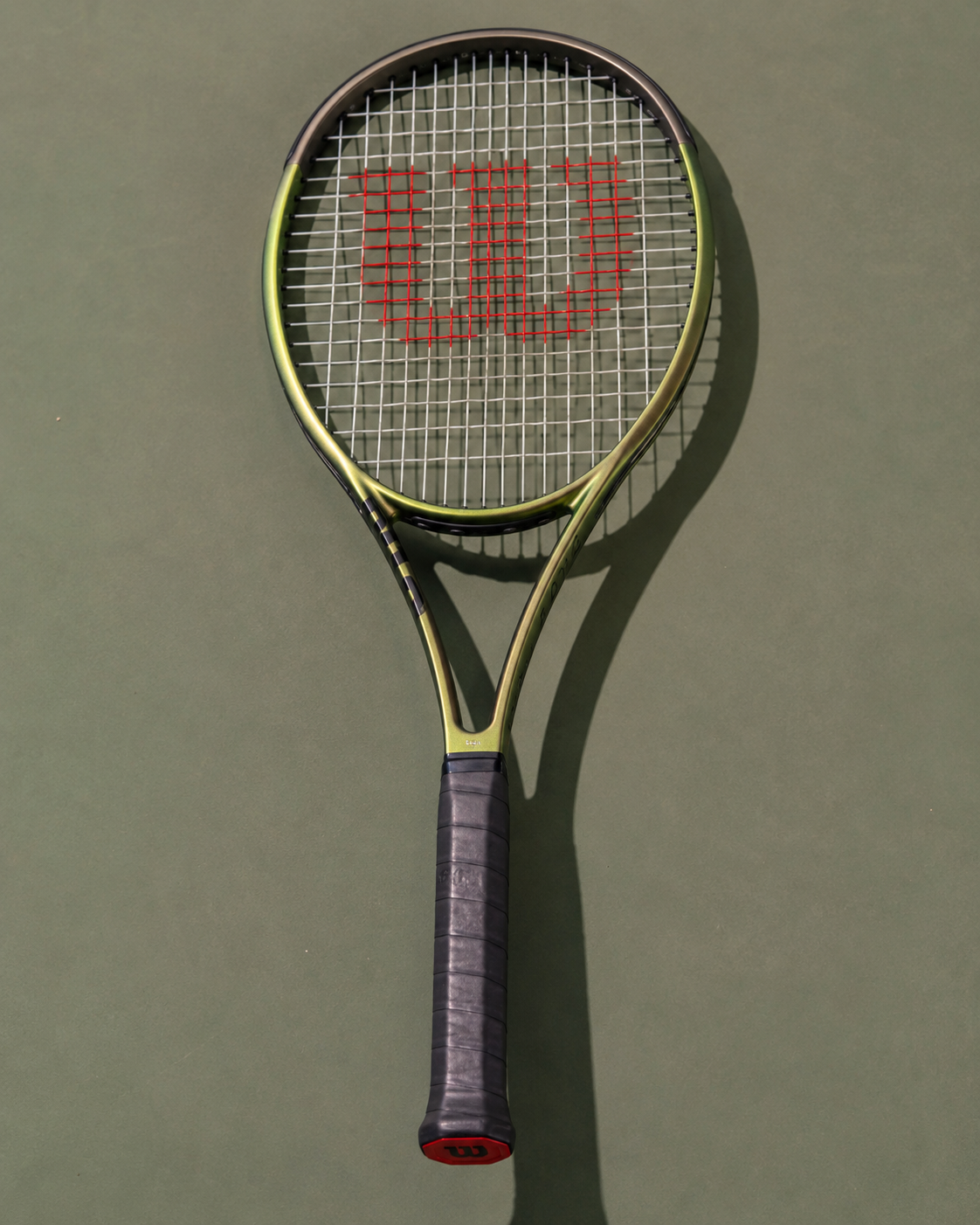
For players who’ve outgrown a beginner or intermediate frame and want something with real feel and feedback, the Blade 98 16×19 is still one of the best “player’s frames” on the market in 2026. The latest version added a bit more stability and response without losing that classic connected, flexible Blade sensation that’s made this line popular for years. It rewards clean technique and doesn’t do you many favors on a mishit — which is exactly what a lot of advanced players are looking for.
Read the full review: Wilson Ultra Review
Best for Kids
I’m not going to pretend I have the same depth of testing on junior frames as I do on adult rackets — for that, lean on our dedicated guide, which goes into the sizing and weight specifics that actually matter for younger players: Best Tennis Rackets for Kids.
How to Choose the Right Racket for You
A few things I’d weigh, in order:
- Skill level first. Beginners want forgiveness — bigger head size, more weight distributed toward the head. Advanced players want control, which usually means a smaller head and a more maneuverable, demanding frame.
- Then think about your arm. If you’ve ever had elbow or shoulder issues, prioritize comfort (Clash, EZONE) over raw power or stiffness, even if it means giving up a little pop.
- Playing style. Aggressive baseliners who live on topspin tend to gravitate toward the Pure Aero family. All-court players who mix in net play often prefer something more balanced, like the VCORE or Blade.
- Grip size, every time. Get this measured properly before anything else — guessing on grip size is the most common mistake I see new players make, and it affects everything from your forehand to your risk of elbow strain. The USTA’s official rules section is also worth a skim if you’re new to the sport and want to understand legal racket specs (length, stringing) before you buy.
- Don’t overspend before you know your style. The real performance gap between a $150 and $250 racket is smaller than most new players expect. Demo before you buy if you can — most pro shops will let you take a frame out for a hit before committing.
FAQ
What racket do most pros actually use? It varies a lot by player, but the Pure Aero and VCORE families remain genuinely popular on tour in some form, and Wilson’s pro-stock frames (rebranded this year as the Ultra Pro and Blade Pro lines) are used by a number of players on the WTA tour. Worth remembering: pro players’ actual specs are almost always customized well beyond what you can buy off the shelf, so “what the pros use” is a starting point for inspiration, not a literal buying guide.
How often should I restring my racket? This depends more on how often you play than the calendar — see our full breakdown: How Much Does It Cost to Restring a Tennis Racket.
Do expensive rackets actually make a difference for beginners? Honestly, not as much as you’d think. Technique matters far more than frame quality in your first year or two of playing. I’d rather see a new player on a $130 Clash with good footwork than a $280 player’s frame fighting their own racket on every shot.
Got a racket question I didn’t cover here, or want a comparison between two specific frames? Drop it in the comments — I’m always happy to dig into a specific matchup if enough people are asking. And if this roundup of the best tennis rackets 2026 has to offer helped you narrow things down, check the individual reviews linked above for the full breakdown on each frame.