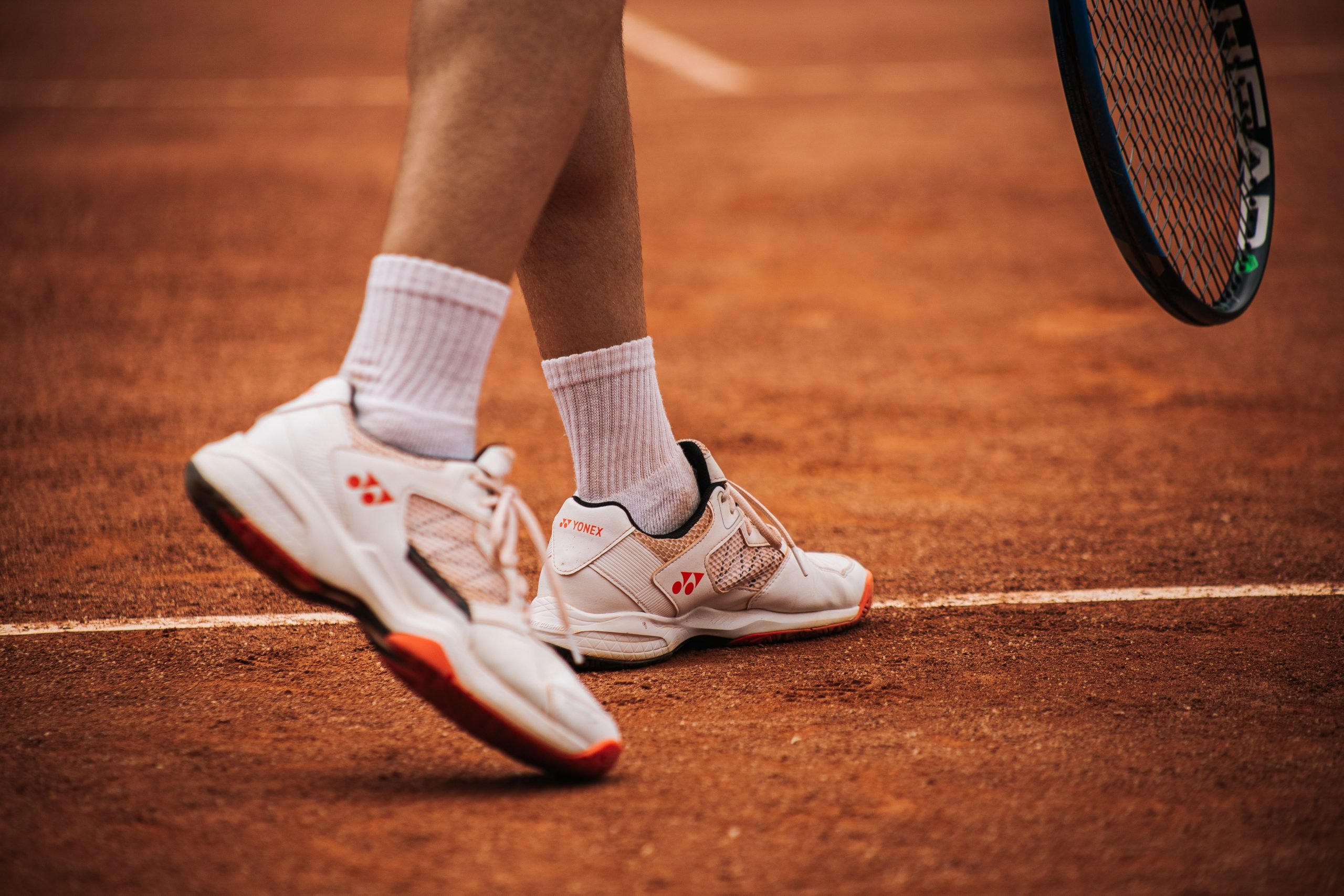
Tennis shoes are the one piece of equipment I’d never cheap out on, and the one I see people get wrong most often. I’ve watched players spend $280 on a racket and then show up in running shoes — which is exactly backwards. The lateral cuts, sudden stops, and sliding movements in tennis put stress on your feet and ankles that running shoes aren’t designed to handle. The right tennis shoe won’t make you play better, but the wrong one will absolutely make you play worse, and eventually hurt you.
I’ve put real court time into the picks below — hard court sessions, a few clay weeks this spring, and enough doubles to know how shoes hold up when you’re scrambling wide to cover a lob at the net. Here’s what I’d actually recommend in 2026, by the situation that fits each shoe best.
Best Tennis Shoes 2026: Quick Picks
| Category | Shoe | Best For |
| Best Overall | ASICS Gel Resolution 9 | All-court players who want the safest, most trusted option |
| Best for Hard Courts | Adidas Barricade 13 | Grinders who destroy shoes and need maximum durability |
| Best for Speed | Nike Air Zoom Vapor 11 | Fast, aggressive players who prioritize court feel and agility |
| Best Budget | Wilson Rush Pro 4.0 | Players who want proper tennis construction under $110 |
| Best for Wide Feet | New Balance FuelCell 996v5 | Players who’ve always found tennis shoes too narrow |
| Best for Clay | Nike Court Air Zoom Vapor Pro 2 Clay | Clay court players who want lightweight traction without buildup |
| Best for Women | ASICS Gel Resolution 9 (Women’s) | Female players wanting support, stability, and proven performance |
How I Tested These
I’m not a biomechanics lab. What I am is someone who plays several times a week on both hard courts and clay, pays attention to how my feet feel at the end of a long session, and has watched enough club players blow out their ankles in the wrong shoes to know what actually matters. My testing criteria, in plain terms: Does it hold up on lateral cuts? Does my foot feel contained and secure, not sloshing around? How does my knee and ankle feel the morning after a long doubles session? And does the outsole actually last?
I’ve worn every shoe on this list for at least a few real sessions before including it.
Best Overall: ASICS Gel Resolution 9
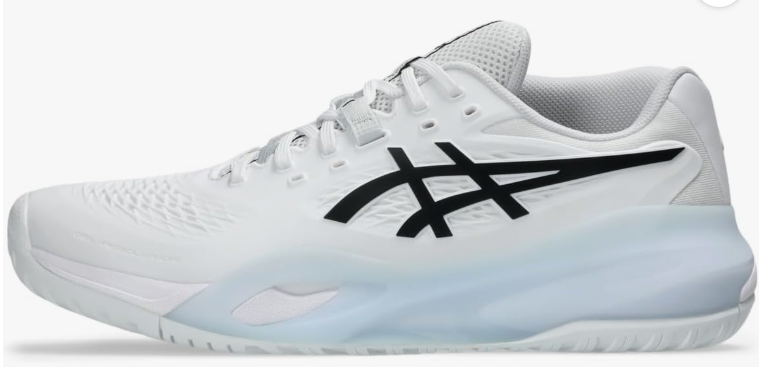
If you asked me to recommend one tennis shoe to someone without knowing anything about how they play, their foot shape, or their budget, this is the one I’d name. The ASICS Gel Resolution 9 has been the standard-bearer in the stability-oriented tennis shoe category for years, and the current version earns that reputation without just coasting on it.
What it does particularly well is the combination of lateral support and cushioning. The GEL unit in the heel absorbs impact on those quick-stop movements that hard courts are brutal on, while the Flexion Fit upper keeps your foot locked in without cutting off circulation or creating hot spots. I’ve recommended this shoe to players of all ages and sizes at my club, and the feedback is almost universally positive — even from players who initially found it a bit bulky looking.
It’s not the lightest shoe on this list, and if you’re a pure speed player who prioritizes feeling close to the court, the Vapor 11 (below) might suit you better. But for the vast majority of recreational and club players — especially those who’ve had ankle or knee issues in the past — the Gel Resolution 9 is the safest, most reliable choice going right now.
Best for: All-court players, club players, anyone who’s had ankle issues or wants maximum lateral support. Not ideal for: Players who want a featherlight shoe with lots of court feel.
Best for Hard Courts: Adidas Barricade 13
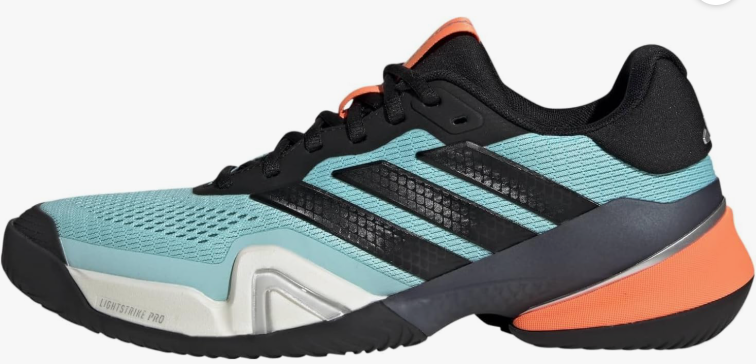
The Barricade line has one mission: survive hard courts. The Adidas Barricade 13 is built for the kind of player who chews through shoes in a few months of regular play and needs something that can actually hold up to the abrasiveness of hard court surfaces. The outsole on the Barricade is genuinely different from most tennis shoes in terms of durability — Adidas uses an Adituff toe cap and reinforced outsole compound that lasts significantly longer than average.
The 2026 update added REPETITOR midsole cushioning, which is a real improvement over earlier Barricade versions that felt like wearing bricks. It’s still a firmer, more planted feel than the Gel Resolution — but you feel more stable, not more punished. The stability platform is wide and low, which grinders and baseliners who like to feel grounded will appreciate.
The one trade-off worth knowing: breathability is mediocre. The Barricade prioritizes durability over ventilation, and if you play in hot conditions, your feet will notice. In cooler weather or indoor courts it’s a non-issue, but in summer heat it’s worth knowing ahead of time.
Best for: Hard court players who destroy shoes, heavy baseliners, players who want maximum durability above all else. Not ideal for: Hot-weather players who prioritize ventilation, clay courts, speed players.
Best for Speed: Nike Air Zoom Vapor 11
If you’re a faster, more aggressive mover who wants to feel close to the court and doesn’t want a chunky stability shoe slowing you down, the Nike Air Zoom Vapor 11 is the pick. It’s the shoe I see on the fastest players at my club — the ones who can cover the court quickly and like a shoe that gets out of the way and lets them move.
The Air Zoom unit in the forefoot is genuinely responsive on quick push-offs and direction changes, and the shoe is notably lighter than the Barricade or Resolution. The fit is snug and athletic, which gives you a connected, secure feel without the bulkier support structure of the stability-oriented shoes. You feel the court more directly, which players with good footwork and strong ankles tend to love.
The trade-off is that you’re giving up some durability and lateral support compared to the Barricade or Resolution. If you’ve had ankle issues, I’d look elsewhere. But for healthy, agile players who hate feeling weighed down, this is the most satisfying shoe to actually move in.
Best for: Fast, athletic players with strong ankles, net rushers, aggressive movers who prioritize agility over cushioning. Not ideal for: Players with ankle history, heavy baseliners, players who need lots of lateral support.
Best Budget: Wilson Rush Pro 4.0
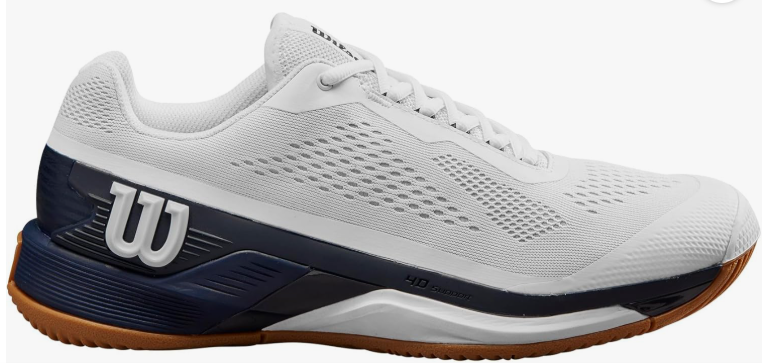
The honest version of “best budget tennis shoe” isn’t “cheapest shoe that’s technically for tennis.” It’s the best shoe that doesn’t cut corners on the things that actually matter. The Wilson Rush Pro 4.0 clears that bar cleanly. It’s priced around $100–$110, uses proper tennis geometry, and comes with Wilson’s outsole warranty — which is almost unheard of at this price point and tells you something about how confident Wilson is in the durability.
What stands out is the cushioning. The Rush Pro 4.0 has one of the softer midsoles in tennis at this price, which makes it genuinely comfortable for long sessions without sacrificing the lateral stability you need for actual tennis movement. The Duralast rubber outsole holds up well on hard courts — better than you’d expect for the price. It’s an honest shoe that does what it says.
The step up to something like the Gel Resolution 9 is noticeable — the upper is less refined and support is slightly less precise — but for a player who wants a proper, court-specific shoe without spending $150+, this is the most honest recommendation I can make.
Best for: Budget-conscious players, beginners building a kit, players who want value without cheap construction. Not ideal for: Competitive players who need elite-level support and durability.
Best for Wide Feet: New Balance FuelCell 996v5
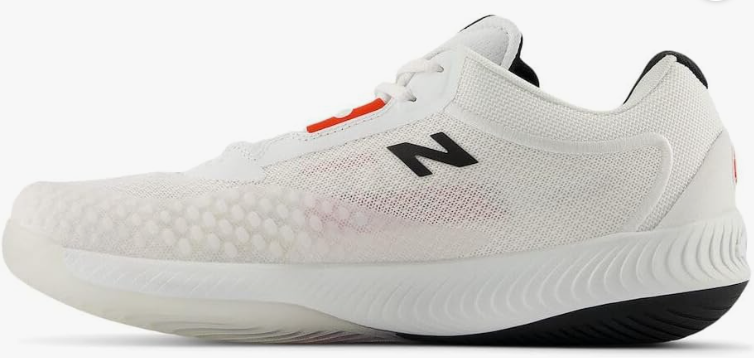
Finding a comfortable tennis shoe when you have wider feet is one of the most common complaints I hear at the club, and it’s genuinely harder than it should be. Most of the premium options run narrow, and you end up either going up half a size (which creates its own problems) or playing in discomfort all match.
The New Balance FuelCell 996v5 is the one I’d point wide-footed players to first. New Balance consistently runs wider than competitors, and the 996v5 is particularly accommodating in the toe box and midfoot without feeling sloppy or unsupported. The FuelCell midsole provides solid cushioning with good energy return, and the NDure upper is breathable enough for warm conditions.
One caveat: the uppers do loosen slightly over time with regular use, which means the fit that felt perfectly snug on day one might feel slightly less controlled after a month of playing. Lacing them properly and tightly helps, but it’s worth knowing. For players who’ve given up on finding a comfortable wide-fit tennis shoe, this is the place to start.
Best for: Players with wider feet, players who’ve struggled to find comfortable fit in other tennis shoes. Not ideal for: Players who need very high lateral support or an ultra-stiff feel.
Best for Clay: Nike Court Air Zoom Vapor Pro 2 Clay
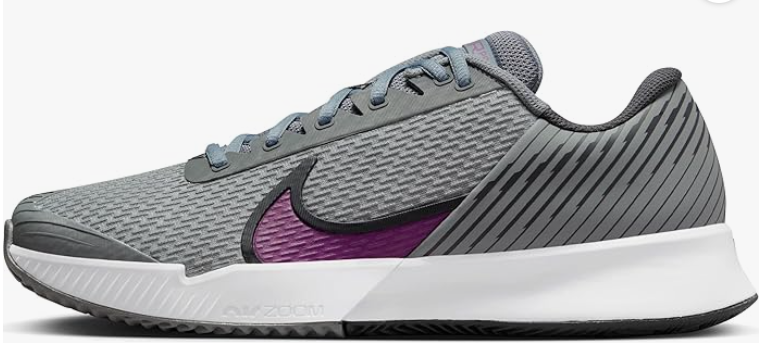
Clay court shoes are a separate category and genuinely matter — try playing on clay in a hard court shoe and you’ll either slip everywhere or compact clay into the tread until it’s useless. You need the herringbone outsole pattern that’s designed to clear clay between points while giving you the grip to push off and slide safely.
The Nike Court Air Zoom Vapor Pro 2 Clay is the best combination of lightweight construction and clay-specific traction I’ve found in 2026. The full herringbone outsole is aggressive enough to clear clay cleanly, and the shoe is one of the lighter options in the clay category — which matters if you play long matches on slower clay surfaces where your feet take a beating.
The fit runs slightly narrow, so wide-footed players should go half a size up or look at the Adidas Barricade 14 Clay as an alternative — it’s chunkier and heavier but wider and more stable underfoot.
Best for: Clay court players who want a lightweight, agile shoe with proper clay traction. Not ideal for: Hard courts (the herringbone will wear down quickly), wide feet.
Best for Women: ASICS Gel Resolution 9 (Women’s)
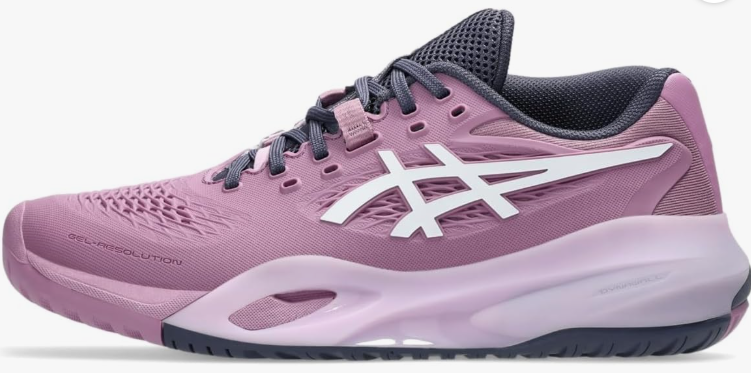
The women’s version of the Gel Resolution 9 is a proper tennis shoe, not just the men’s version in a different colorway — ASICS develops their women’s lasts separately, which means the fit and support are actually calibrated for women’s foot anatomy. It’s the same reliable combination of GEL cushioning, lateral stability, and durable outsole that makes the men’s version the best overall pick, sized and fitted correctly.
I’ve seen too many women at the club playing in repurposed running shoes or budget sneakers because they felt the women’s tennis shoe options were limited. The women’s Gel Resolution 9 is as complete a shoe as anything in the men’s lineup and holds up just as well over a season of regular play.
Best for: Female players of all skill levels who want a stable, comfortable, proven all-court shoe. Not ideal for: Speed-focused players who want a minimal, lightweight feel.
How to Choose the Right Tennis Shoe
A few things that matter more than brand:
Court surface first. This is non-negotiable. Hard court shoes have durable, reinforced outsoles. Clay court shoes have herringbone tread. Grass court shoes have pimpled or nubbed outsoles for grip. Using the wrong outsole pattern for your surface wears the shoe out faster and compromises your movement. If you play on one surface exclusively, buy for that surface. If you play on two surfaces, hard court shoes work reasonably well on clay in a pinch, but dedicated clay shoes are worth it if you play clay regularly.
Fit over style. A shoe that looks great but doesn’t fit your foot correctly is worse than an ugly shoe that fits well. Go to a sporting goods store and actually try on multiple options. Your heel should be locked in with no slipping; your toes should have a finger’s width of space at the front; the midfoot should feel contained, not squeezed.
Lateral support over cushioning. In running shoes, cushioning is king. In tennis, lateral support matters more. You’re moving side to side constantly, and a shoe that doesn’t hold your foot firm on lateral cuts increases your ankle sprain risk significantly. This is the main reason running shoes are dangerous for tennis — they’re built for forward motion, not lateral cuts.
Weight vs. stability trade-off. Lighter shoes feel faster but give up some stability and durability. Heavier, more structured shoes offer more support but can feel sluggish. Where you land on this depends on your foot strength and ankle history. If you’ve had ankle issues, prioritize stability. If your footwork is your biggest strength, a lighter shoe might suit your game.
Outsole warranty. A few brands — Wilson notably — offer outsole warranties that cover blowout within a certain number of months. If you play frequently and hard, this is worth factoring into your decision. Check the brand’s site before buying.
FAQ
Can I play tennis in running shoes? You can, but I’d recommend against it for anything beyond a casual hit. Running shoes are designed for forward motion, not the lateral cuts and sudden stops that tennis requires. The midsoles compress differently under lateral load, and the outsole pattern doesn’t give you adequate grip for tennis movement. The ankle sprain risk is real. For your first-ever hit, fine. For regular play, get a proper tennis shoe.
How often should I replace my tennis shoes? Most tennis shoes last between 45–60 hours of court time before the midsole starts to break down — even if the outside still looks fine. If you play twice a week for an hour, that’s roughly six months. A good indicator: if your knees or ankles feel more tired after sessions than they used to, the shoe has probably lost its cushioning and support.
Do I need different shoes for different surfaces? For hard courts and clay, ideally yes — especially if you play clay regularly. The herringbone pattern on clay shoes clears surface material and provides controlled sliding; hard court outsoles will compact clay rather than clearing it, killing your traction. If you can only have one pair, hard court shoes are the more versatile choice, but proper clay shoes are worth having if you play on clay more than occasionally.
What’s the difference between men’s and women’s tennis shoes? It’s not just sizing. Better brands like ASICS and New Balance develop women’s specific lasts — meaning the shape of the shoe is built around women’s foot anatomy, which typically has a narrower heel and wider forefoot relative to foot length. Avoid buying men’s shoes in a smaller size as a workaround; the fit will be off in ways that affect both comfort and support.
Do I need to break in new tennis shoes? Most modern tennis shoes don’t require a long break-in period, but it’s still worth wearing them for a few lower-intensity sessions before a match or a long hit. This lets the materials conform to your foot and tells you quickly if there’s a fit issue before it becomes a blister on an important day.
Shoe fit is personal, and if something on this list doesn’t work for your foot, that doesn’t mean it’s a bad shoe — it means it’s a bad shoe for you. Demo a few options at a local pro shop if you can. Most will let you hit with a shoe on a returnable basis. And if you’re sorting out the rest of your gear at the same time, check my picks for the best tennis rackets of 2026 and the best tennis strings of 2026.
Related Guides: